Claude Mythos Preview: Anthropic's Leaked AI Cybersecurity Powerhouse

Table of Contents
1. The Dramatic Arrival of Claude Mythos Preview #
The AI community has grown accustomed to highly choreographed release schedules, but Claude Mythos was introduced to the world through sheer accident.
Anatomy of the Late-March CMS Leak #
In late March 2026, a misconfigured third-party Content Management System (CMS) belonging to an infrastructure partner accidentally exposed a trove of internal Anthropic documentation. This leak didn't just show marketing fluff—it exposed critical benchmarking data, deep architectural drafts, and undeniable proof that Anthropic possessed a model capable of full agentic exploitation and patching. Cybersecurity forums erupted over the weekend as developers examined the raw capabilities described in the leaked whitepapers. It became clear that the model could read deeply obfuscated C++ and autonomously map out memory-corruption exploits.
Anthropic's Hand Forced: The April 7th Confirmation #
With rumors swirling that a "rogue superintelligence" had been unleashed, Anthropic stepped in for damage control. On April 7, 2026, the company completely declassified the existence of the model, officially dubbing it Claude Mythos Preview. Rather than apologizing for the leak, Anthropic utilized the moment to establish their stance on AI safety: Mythos would definitively not be released to the general public or via standard API endpoints.
2. Demystifying Project Glasswing #
To understand why Mythos is locked down, we have to look at the protective ring operating around it: Project Glasswing.
An Exclusive Roster of Enterprise Partners #
Anthropic isn't locking away Claude Mythos out of spite; they're doing it to orchestrate a unified front in digital defense. They have partnered directly with an elite group of organizations to pilot the model globally. This consortium includes Amazon Web Services (AWS), Apple, Broadcom, Cisco, CrowdStrike, Google, JPMorgan Chase, The Linux Foundation, Microsoft, NVIDIA, and Palo Alto Networks.
The Philosophy of a Closed-Door Initiative #
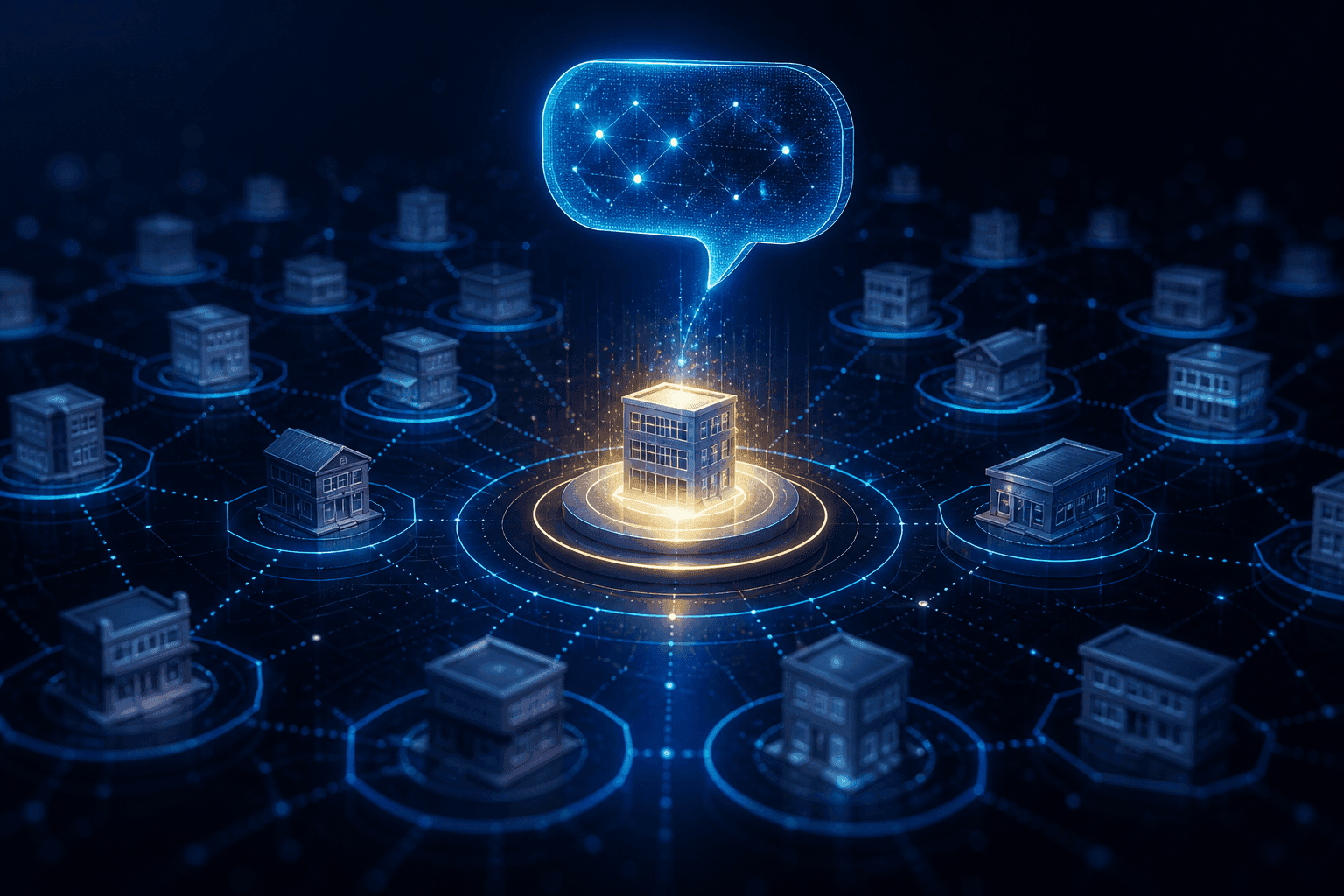
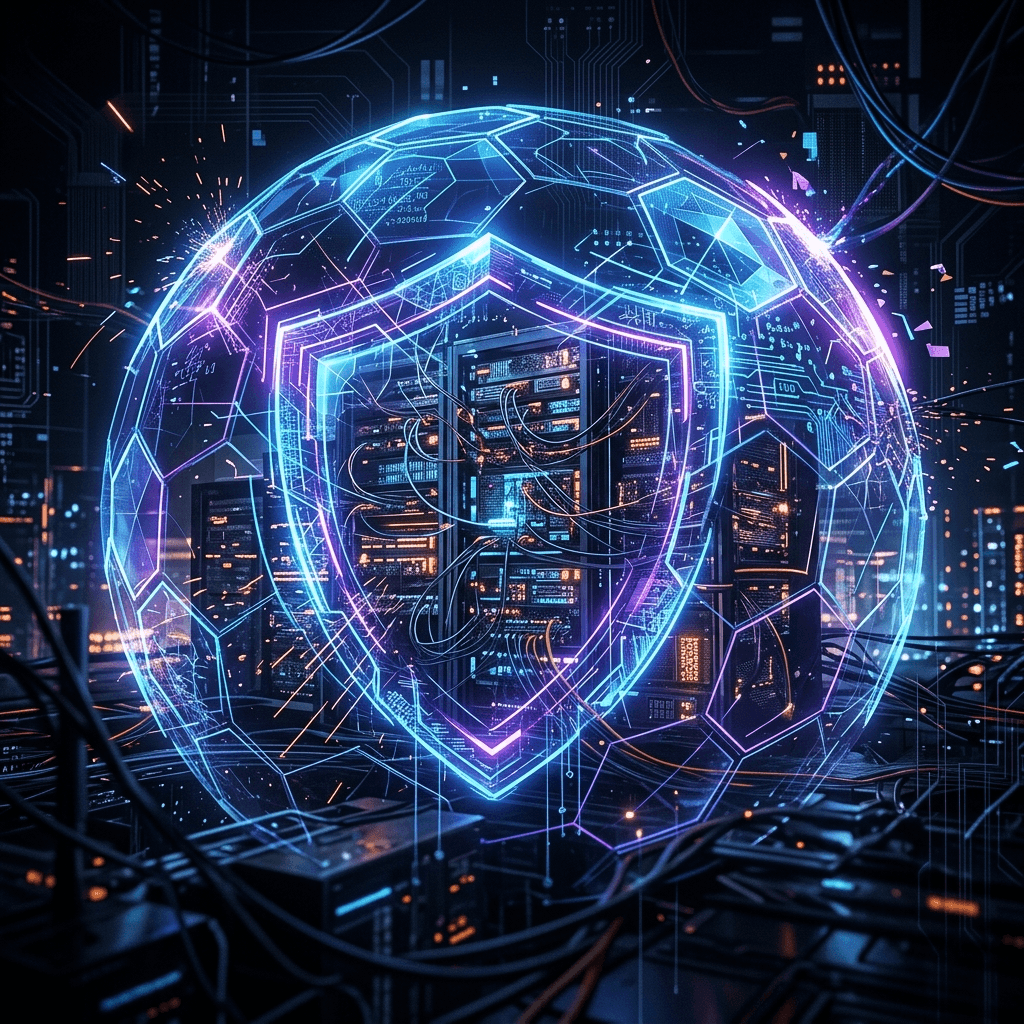
Project Glasswing is built on the philosophy of symmetric defense. If bad actors gain access to vulnerability-hunting AI, the digital infrastructure of modern society is at extreme risk. By creating a closed-loop system, these mega-corporations can feed their proprietary, highly sensitive codebases directly into Mythos without fear of the model leaking trade secrets or allowing hackers to use the model against them. Mythos operates as an umbrella shield over this specific consortium.
3. Why "Defensive AI" is the New Deep Tech Frontier #
The arrival of Claude Mythos officially marks the divergence between generative consumer AI and defensive enterprise AI.
Shifting from Generative to Protective Models #
For years, the industry was focused on models that could generate the best poetry, paint the best pictures, or write basic React components. Mythos is radically different. It is not designed to entertain or act as a digital assistant. It is a highly specialized architectural engine trained exclusively on network structures, cryptography, reverse engineering, and low-level system design.
Combating Automated Threat Escalation #
Threat actors are already using advanced AI to scale their attacks, automate phishing, and write polymorphic malware. Anthropic’s creation of Mythos acts as a digital immune system. Human engineers cannot manually audit millions of lines of code fast enough to counter an AI-driven attack. Mythos levels the playing field, fighting automated offense with automated defense.
4. Surpassing the Claude Opus 4.6 Legacy #
Claude Opus 4.6 was once considered the apex of AI coding, but Mythos represents a categorical leap forward.
From Pure Advisory to Full Autonomy #
Opus 4.6 was brilliant at answering coding questions when prompted. It was an advisor. Mythos, conversely, is agentic. It does not wait to be asked. Within the Glasswing sandbox, Mythos actively roams through mapped repositories, autonomously triggering its own code audits, running discrete tests, and generating pull requests without human intervention.
Deep Threat Reasoning Capabilities #
Earlier models frequently suffered from "contextual myopia"—they could fix a specific broken loop but missed the broader systemic flaw. Mythos was trained to think like a seasoned penetration tester. It anticipates "chained exploits," recognizing that three minor, seemingly unrelated bugs across different repositories can be chained together by a hacker to achieve root access.
5. The Zero-Day Vulnerability Engine #
The most staggering data point from the April 7th announcement was the sheer volume of vulnerabilities Mythos has already uncovered.
Scanning Massive, Multi-Environment Codebases #
Mythos isn't just looking at Python scripts. It scans operating system kernels, proprietary hardware drivers, and vast cloud-native Kubernetes deployments. Thanks to unprecedentedly large context windows, it can trace logic execution paths from the frontend user interface all the way down to backend database queries, hunting for logic flaws that traditional static evaluation tools completely miss.
High-Severity Flaws Identified to Date #
According to Anthropic's debriefings, Mythos has already identified thousands of high-severity, previously unknown ("zero-day") vulnerabilities within the Glasswing consortium. Many of these flaws had existed silently for years inside legacy codebases. Discovering them privately means they can be addressed before ransomware gangs or state-sponsored actors can exploit them lock up global infrastructure.
6. Proactive Patching Without Breaking Dependencies #
Finding a vulnerability is only half the battle. Fixing it without breaking the rest of the application is where Mythos earns its keep.
Modeling Proposed Fixes in Sandboxed Environments #
When Mythos identifies a flaw, it immediately spins up a high-fidelity sandbox. It writes a proposed patch and deploys it into this sandbox, aggressively simulating how the change interacts with the rest of the software stack. If the patch causes a memory leak or breaks an upstream API, Mythos autonomously rewrites the patch.
Generating Enterprise-Grade Patches #
Once a patch passes its internal simulations, Mythos formats the code for human review, adhering strictly to the specific syntax and stylistic guidelines of the partner organization. It provides an exhaustive, mathematically sound explanation of why the fix works and requests human authorization to merge.
7. The Economics and Risks of Restricted AI Releases #
Keeping a model like Mythos restricted is highly controversial, opening up massive debates regarding economics and open-source principles.
Stifling Innovation vs. National Security #
Critics argue that restricting access to Mythos creates a monopolistic cybersecurity shield for the ultra-wealthy tech giants, leaving smaller businesses and open-source developers totally exposed to advanced threats. On the other hand, national security agencies privately support the lockdown, arguing that open-sourcing a model this potent is analogous to handing out weapons-grade uranium.
Competitive Responses from Google and OpenAI #
The existence of Project Glasswing has lit a massive fire under Anthropic's competitors. Google DeepMind and OpenAI are reportedly fast-tracking their own autonomous defensive AI agents. The enterprise cybersecurity budget is enormous, and whoever controls the most sophisticated defensive agent controls the B2B tech ecosystem.
8. Hardware and Context Constraints of Mythos #
Running an autonomous, highly specialized agent comes with extreme physical costs.
Mass Compute Required for Vulnerability Simulation #
Unlike a quick ChatGPT query, instructing Mythos to audit a 10-million line repository takes continuous days of GPU processing. The model must retain massive systemic context concurrently. The power required to run the Glasswing deployments is staggering, likely meaning even if the model were public, very few enterprises could afford the compute hardware to run it.
Expanding the Context Window for Enterprise Analysis #
Mythos utilizes dynamic context offloading—it can hold references to massive swathes of code while actively reasoning. This expanded context window drastically outperforms its predecessors, allowing it to trace exactly how a malformed packet entering an AWS API gateway could eventually overflow a buffer in an archaic backend service.
9. Implications for the Global Cybersecurity Workforce #
With AI autonomously hunting for and patching zero-days, what happens to human security researchers?
Will Vulnerability Researchers Be Replaced? #
In the short term, no. Mythos dramatically accelerates the productivity of human researchers. Instead of reverse-engineering hex code manually for six months to find a buffer overflow, humans can use Mythos to scan the codebase in an hour, freeing the human to evaluate the strategic implications of the vulnerability.
The Shift from Discovery to AI Fix Management #
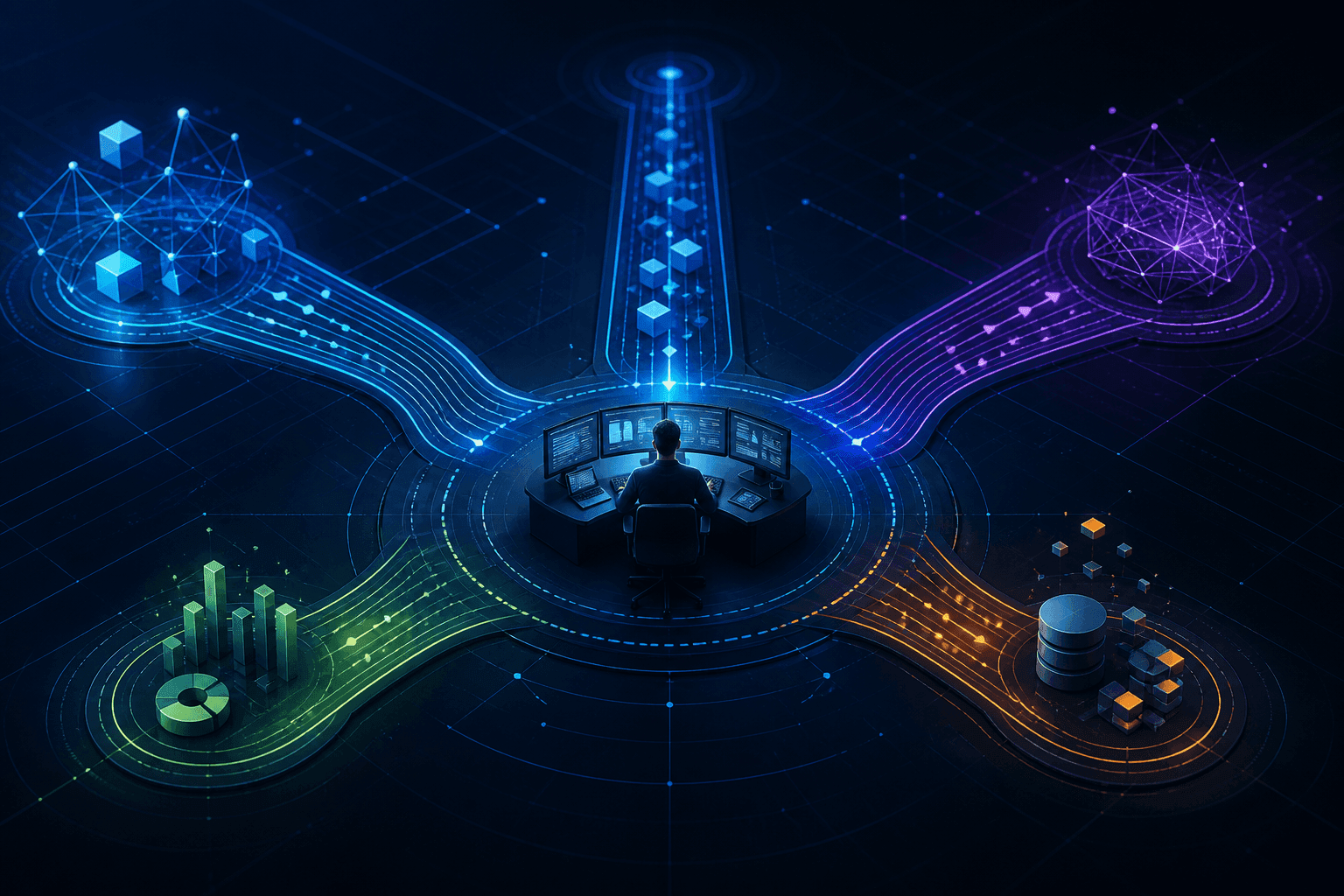
The primary skill of the future cybersecurity engineer will not be finding bugs manually. It will be managing swarms of AI agents, tuning their parameters, reviewing the highly complex logic of their patches, and acting as the final safety arbiter before deploying AI-generated fixes to multi-billion-dollar production environments.
10. The Future Roadmap: From Project Glasswing to Standard Practice #
Where does Anthropic go next with a product the public is not allowed to touch?
Potential Expansion of the Consortium #
Currently, Glasswing is restricted to tech megacorporations and major banks. Moving into 2027 and beyond, Anthropic may slowly expand the program via highly vetted managed-service providers, allowing hospitals, local governments, and mid-sized enterprises to receive the protections of Mythos without ever holding direct access to the model's weights or core prompt.
Regulatory and Compliance Paradigms #
Governments are watching Project Glasswing closely. We may soon see legislation demanding that critical infrastructure companies utilize autonomous defensive AI auditing. Mythos could inadvertently become the gold standard by which global cyber-compliance is measured.
FAQ Section #
Q: Can the public use Claude Mythos Preview? #
A: No. Anthropic has stated that Claude Mythos Preview will not be made generally available. Its access is strictly limited to enterprise partners within Project Glasswing for the sole purpose of defensive cybersecurity auditing and proactive software patching.
Q: Why is the alliance called "Project Glasswing"? #
A: While Anthropic hasn't explicitly specified the internal naming conventions, "Glasswing" likely references the transparent butterfly of the same name. This reflects the initiative's core mission: bringing total transparency and deep visibility into complex, historically opaque software vulnerabilities.
Q: How did the Claude Mythos model originally leak? #
A: The model's internal documentation and specific vulnerability benchmarks were exposed in late March 2026 due to a misconfigured third-party content management system (CMS), sparking massive industry rumors before Anthropic's official announcement on April 7, 2026.
Q: What exactly is a "zero-day" vulnerability? #
A: A zero-day is a critical software vulnerability that is entirely unknown to the software's creator. Once malicious hackers exploit it, the creator has "zero days" to fix it. Claude Mythos has been actively discovering thousands of these hidden flaws so they can be securely patched prior to exploitation.
Q: How does Claude Mythos differ from Claude Opus 4.6? #
A: While Opus 4.6 excelled at advisory reasoning and coding fluency, Mythos transitions into fully agentic operations. It can proactively analyze entire enterprise codebases, simulate exploit vectors, and autonomously draft secure software patches across complex environments.
Q: Which organizations are part of Project Glasswing? #
A: The initial Project Glasswing coalition comprises top-tier technology and finance firms including AWS, Apple, Broadcom, Cisco, CrowdStrike, Google, JPMorgan Chase, The Linux Foundation, Microsoft, NVIDIA, and Palo Alto Networks.
Q: Is Claude Mythos an offensive or defensive AI model? #
A: Claude Mythos is strictly categorized as a "defensive AI" model. It was engineered specifically for vulnerability identification, code auditing, and structural software defense rather than automated exploitation or offensive cyber-attacks.
Q: What kind of codebases can Claude Mythos analyze? #
A: Thanks to its immense context windows, Mythos can cross-reference massive, multi-environment architectures simultaneously. It evaluates deep legacy systems, operating systems like the Linux kernel, proprietary iOS frameworks, and complex AWS deployment configurations.
Q: How does Claude Mythos handle software dependencies when suggesting patches? #
A: Instead of generating generic code snippets that might cause system failures, Mythos simulates fixes within the broader enterprise infrastructure. This ensures that any proposed patch actively addresses the zero-day flaw without breaking interconnected downstream dependencies.
Q: Will other AI companies release similar specialized cybersecurity models? #
A: Given the monumental success of Anthropic's vulnerability hunting with Project Glasswing, it is highly anticipated that competitors like OpenAI and Google DeepMind will fast-track their own specialized, defensive AI agents to help secure critical enterprise infrastructure.
Conclusion #
The arrival of Claude Mythos Preview is a watershed moment for artificial intelligence. By acknowledging the model's unparalleled capabilities but restricting its use to Project Glasswing, Anthropic is setting a profound precedent: not every AI breakthrough should be immediately open-sourced or commercialized. As we push forward, these intelligent defensive ecosystems will become the standard armor for the entire digital world.
Related Posts
How to Stop Client-Facing AI Agents From Hallucinating
Client-facing AI agents hallucinate when they answer without grounding. Here's the layered guardrail stack I use to keep agents accurate and on-script.
AI Sales Systems vs Traditional CRM Automation
Traditional CRM automation fires rules; AI sales systems reason about each lead. Here's how they differ, where each wins, and how to combine them.

The Manual Workflows With the Highest ROI When Replaced by AI Agents
Not every task is worth automating. Here are the manual workflows with the highest ROI when you replace them with AI agents, ranked by payback speed.