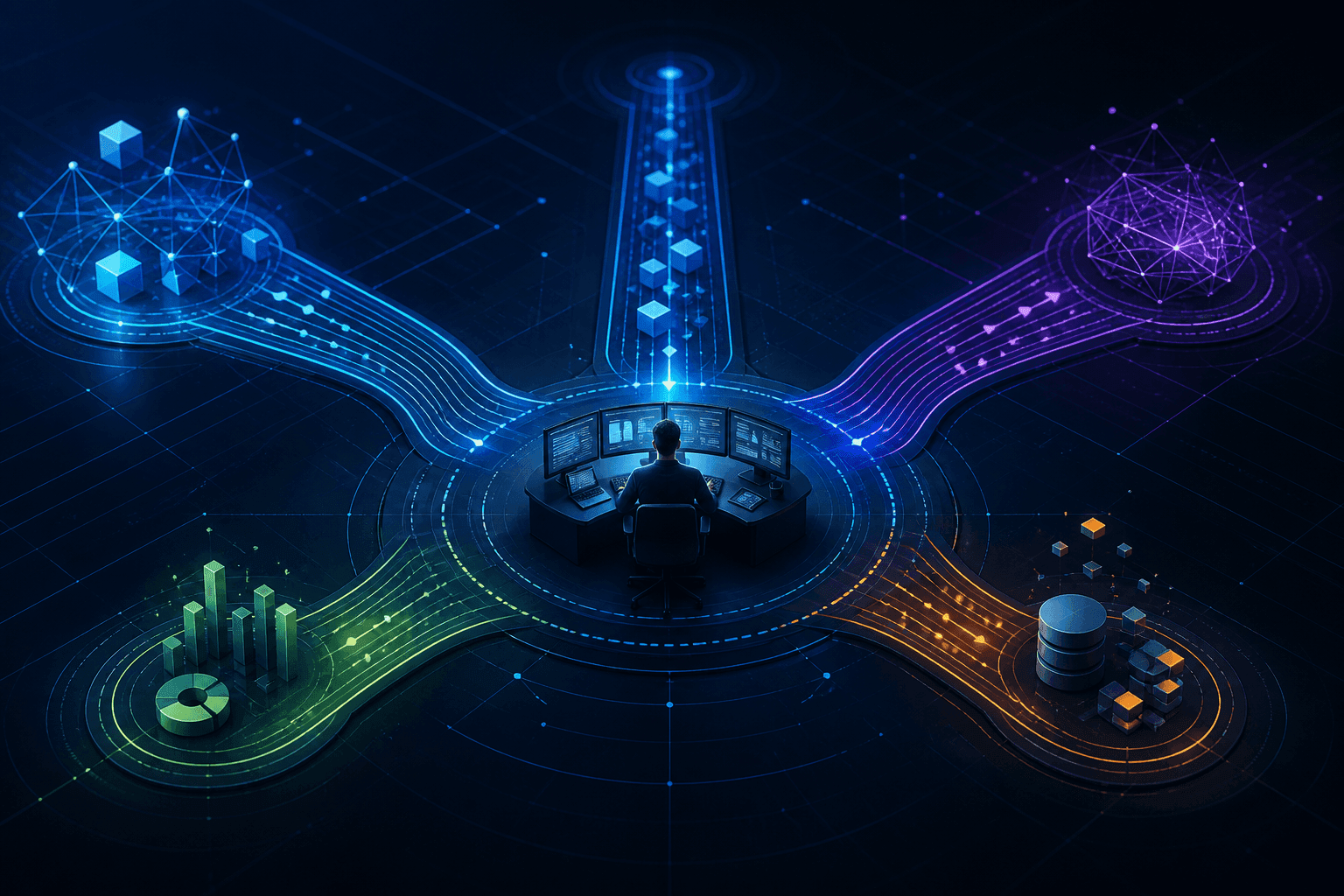
OpenAI Codex Masterclass: The Autonomous AGI Software Engineer Transforming Enterprise Development

Table of Contents
OpenAI Codex Masterclass: The Autonomous AGI Software Engineer Transforming Enterprise Development #
The AI coding landscape shifted dramatically in early 2026 when OpenAI unveiled Codex—not as an autocomplete engine, but as a fully autonomous, cloud-native software engineering agent.
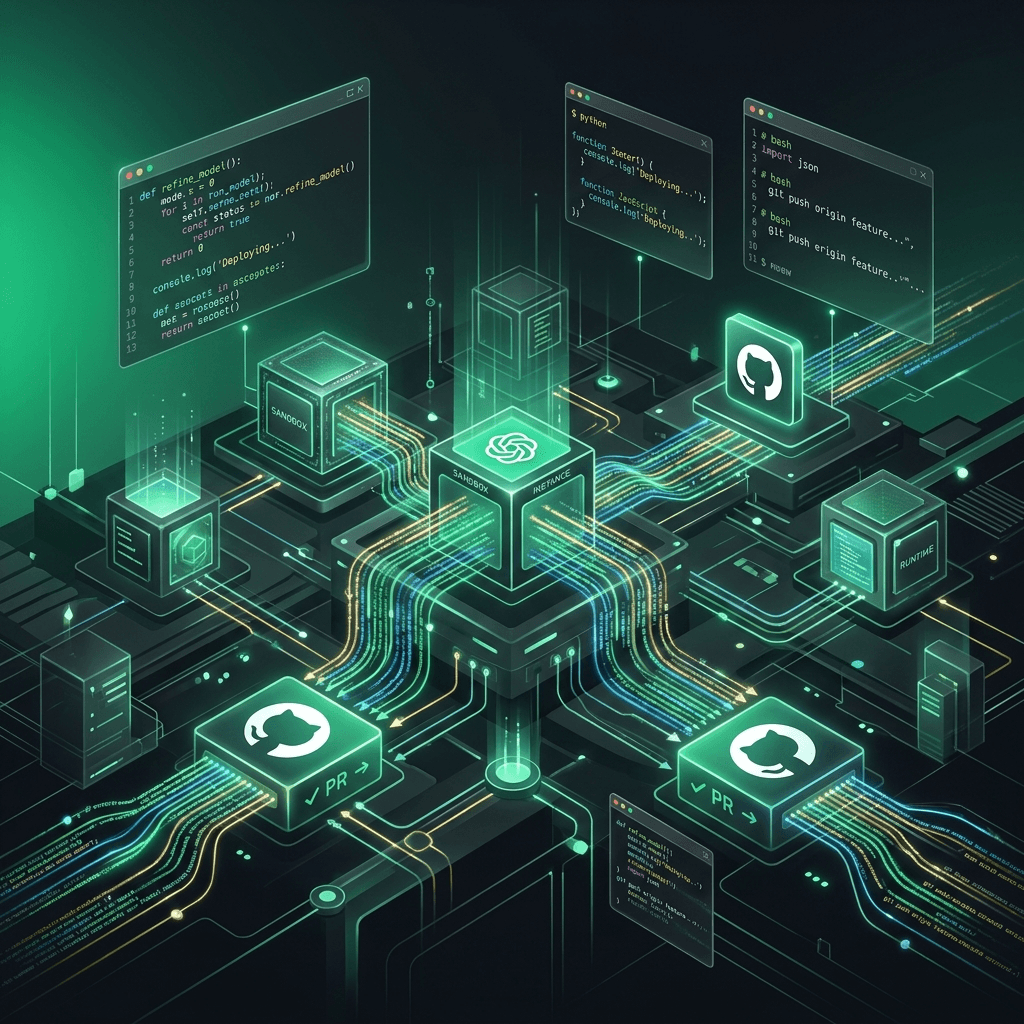
If you have been following the evolution from Copilot's inline suggestions to Cursor's codebase awareness to Claude Code's terminal autonomy, Codex represents the next logical leap: a system that takes a natural language task description, spins up a sandboxed cloud environment, writes the code, runs the tests, and presents a verified Pull Request—all without touching your local machine.
At williamspurlock.com, we evaluate every major AI development tool against one criterion: does it compress the distance between business intent and working software? Codex does this better than anything OpenAI has ever shipped.
1. What is OpenAI Codex? The Cloud-Native Approach #
OpenAI Codex (2026 edition) is a cloud-native autonomous coding agent powered by the codex-1 model—a specialized variant of OpenAI's o3 reasoning architecture fine-tuned specifically for software engineering tasks.
The Architecture Difference #
Unlike local-first tools (Claude Code, Cursor), Codex executes entirely in the cloud. When you assign a task:
- Codex spins up a sandboxed cloud container pre-loaded with your repository
- It reads the codebase, plans the implementation, and writes code
- It runs your test suite to verify correctness
- It creates a Pull Request with the changes
- You review and merge
Your local machine is never touched. Your development environment stays clean. And critically—the agent cannot accidentally modify files outside its sandbox.
The Safety Architecture #
Every Codex execution runs in a locked-down, internet-disabled container by default. The agent cannot:
- Make arbitrary HTTP requests to external services
- Access files outside the cloned repository
- Execute code that modifies the host system
- Install packages not in your dependency manifest
This is a fundamental architectural advantage over tools that run directly on your machine.
2. The codex-1 Model: Reasoning First, Coding Second #
The codex-1 model is not GPT-4 with a different name. It is built on the o3 reasoning architecture with specific optimizations for software engineering.
Reinforcement Learning from Code Execution #
Unlike models trained purely on text prediction, codex-1 was trained using reinforcement learning on actual code execution outcomes. The model does not just predict what code should look like—it understands whether code will work when executed.
Structured Planning #
Before writing a single line of code, codex-1 generates a detailed implementation plan:
- Analyze the current codebase structure
- Identify relevant files and dependencies
- Plan the modification approach
- Anticipate potential breaking changes
- Determine which tests need updating
This planning phase is visible in the Codex UI, giving you full transparency into the agent's reasoning.
Iterative Self-Correction #
When tests fail, codex-1 does not just try again—it analyzes the failure, reasons about the root cause, and applies a targeted fix. This iterative loop continues until the test suite passes or the agent determines it needs human guidance.
3. Parallel Agent Execution: Your AI Engineering Floor #
The most powerful operational feature of Codex is the ability to run multiple autonomous agents in parallel.
How Parallel Execution Works #
Each task you assign to Codex runs in its own isolated sandbox. This means you can:
- Assign 10 different bug fixes to 10 separate agents simultaneously
- Each agent works independently on its own branch
- Results come back as separate PRs for review
- No interference between parallel tasks
The Throughput Multiplier #
A single developer processing 10 bug fixes sequentially might take 4–6 hours. Ten Codex agents working in parallel deliver all 10 PRs in under 20 minutes. That is a 15–20x throughput multiplier on well-defined tasks.
Task Categories Ideal for Parallelization #
- Bug fixes with isolated scope
- Test generation for existing functions
- Documentation updates
- Code refactoring (style consistency, pattern migration)
- API endpoint implementation from specifications
- Dependency updates and compatibility fixes
4. GitHub Integration: From Issue to Merged PR #
Codex's native GitHub integration creates a direct workflow from issue creation to code deployment.
The Workflow #
- Create a GitHub Issue with a clear description of the desired change
- Assign to Codex (via the Codex dashboard or API)
- Codex reads the issue, clones the repository, and begins work
- A Pull Request is generated with the implementation, complete with a summary of changes
- CI/CD runs on the PR branch (Codex respects your existing pipeline)
- You review and merge
Linking to Existing Issues #
You can point Codex at existing GitHub issues. It reads the issue description, any linked discussions, and relevant code comments to understand the full context before implementing a solution.
Automated Issue Triage #
For teams with large issue backlogs, Codex can triage issues at scale:
- Classify issues by complexity and estimated effort
- Automatically attempt simple fixes
- Flag complex issues that require human architecture decisions
- Generate implementation plans for medium-complexity issues
5. The AGENTS.md Configuration: Teaching Codex Your Standards #
Like Claude Code's CLAUDE.md and Antigravity's agents.md, Codex reads configuration files that encode your development standards.
Setting Up AGENTS.md #
Place an AGENTS.md file in your repository root to define:
# Codex Agent Configuration

## Code Standards
- Language: TypeScript (strict mode)
- Framework: Next.js 15 with App Router
- Styling: TailwindCSS 4.0
- Testing: Vitest for unit tests, Playwright for E2E

## Architecture Rules
1. All API routes must use the middleware pattern in /lib/middleware
2. Database queries go through Prisma client in /lib/db
3. Do not modify files in /legacy/ without explicit permission
4. All new components must have corresponding test files

## Build & Test Commands
- Run tests: `npm run test`
- Type check: `npx tsc --noEmit`
- Lint: `npm run lint`
- Build: `npm run build`
Why AGENTS.md Matters #
Without explicit standards, Codex will write perfectly functional code that violates your architectural conventions. AGENTS.md ensures every agent-generated PR follows your team's patterns exactly—reducing review friction and maintaining codebase consistency.
6. Codex vs. Claude Code vs. Cursor: The 2026 Comparison #
Understanding where each tool excels helps you build the optimal development stack.
Codex: The Cloud-Native Autonomous Agent #
Strengths:
- Sandboxed cloud execution (zero local risk)
- Parallel multi-agent task processing
- Native GitHub integration
- Best for: Batch operations, bug fixes, well-defined implementations
Limitations:
- No real-time interactive coding
- Internet-disabled sandbox limits dynamic API testing
- Higher latency for single-task turnaround vs. interactive tools
Claude Code: The Terminal-Native CLI Agent #
Strengths:
- Local execution with full system access
- Interactive, conversational development
- MCP integration for external tools
- Best for: Architecture design, debugging, complex multi-file refactoring
Limitations:
- Token-heavy (runs on your local context)
- Security relies on user configuration
- Single-threaded task execution
Cursor: The IDE-First Experience #
Strengths:
- Native IDE integration
- Real-time code completion and editing
- Multi-file awareness
- Best for: Day-to-day coding, rapid prototyping, code exploration
Limitations:
- Primarily reactive (you drive, it assists)
- Limited autonomous execution
- No native cloud sandboxing
The Hybrid Stack #
The optimal 2026 development stack uses all three:
- Cursor for daily interactive development
- Claude Code for complex architecture and debugging sessions
- Codex for batch processing, PR generation, and parallelized task execution
7. Enterprise Deployment: Scaling Codex Across Teams #
For organizations, Codex offers team-level capabilities that transform development operations.
Team Management #
- Shared repositories: All team members can assign tasks to Codex on shared repos
- Task queuing: When parallel capacity is reached, tasks queue automatically
- Centralized billing: Track API usage and costs per team member
Security Controls #
- Repository permissions: Codex respects your GitHub access controls
- Branch protection: Generated PRs follow your branch policies
- Audit logging: Every Codex interaction is logged for compliance
- No data retention: Code processed in sandboxes is ephemeral
ROI Metrics #
Track Codex ROI with these metrics:
- PRs generated per week vs. previous manual rate
- Time-to-first-review reduction
- Test coverage increase from automated test generation
- Bug fix turnaround time reduction
8. Advanced Use Cases: Beyond Simple Bug Fixes #
Codex's capabilities extend far beyond patching straightforward bugs.
Codebase Migration #
Assign Codex to migrate code patterns across your entire repository:
- "Convert all class components to functional components with hooks"
- "Migrate from CommonJS to ES modules"
- "Update all API routes to use the new authentication middleware"
Each file gets its own parallel agent, delivering hundreds of file changes as a single, comprehensive PR.
Test Suite Generation #
Point Codex at untested code and generate comprehensive test coverage:
- "Write unit tests for all functions in /src/utils/ that currently have no test files"
- Codex analyzes each function, generates test cases (including edge cases), and verifies they pass before creating the PR.
Documentation Generation #
Codex can generate and update documentation by reading your code:
- API documentation from route definitions
- Component documentation from prop types
- Architecture documentation from file structure analysis
- README updates based on recent changes
Security Patching #
When vulnerability scanners flag issues:
- "Update all dependencies with known CVEs to their latest secure versions and verify all tests still pass"
- Codex processes each dependency update in parallel, running your full test suite for each change.
9. Pricing, Limits, and Cost Optimization #
Understanding Codex's cost structure ensures you deploy it profitably.
Current Pricing Model #
Codex operates within the ChatGPT Pro subscription tier, with usage-based limits for parallel tasks and monthly volume.
Cost Optimization Strategies #
- Batch similar tasks: Group related changes to minimize sandbox spin-up overhead
- Write clear task descriptions: Ambiguous tasks require more reasoning tokens and generate more iterations
- Use AGENTS.md: Well-defined standards reduce trial-and-error in code generation
- Use for high-leverage tasks: Focus Codex on tasks with the highest time savings (batch refactoring, test generation) rather than simple one-line fixes
The ROI Calculation #
A senior developer costs $70–$100/hour. If Codex processes 20 bug fixes in an hour (via parallel agents) that would take a developer 10 hours sequentially, the ROI is clear:
- Without Codex: 10 hours × $85/hour = $850 in developer time
- With Codex: 1 hour of oversight × $85 + $10 in API costs = $95
- Savings: $755 per batch (89% reduction)
10. The Future: Where Codex Fits in the AGI Trajectory #
Codex represents OpenAI's most direct step toward autonomous software engineering AGI.
The Progression #
- Copilot (2021): Autocomplete suggestions
- GPT-4 Turbo (2023): Conversational code generation
- o1/o3 Reasoning (2025): Multi-step problem solving
- Codex Agent (2026): Fully autonomous, sandboxed code execution
- Next (2027+): Multi-repository, cross-project autonomous engineering
Preparing for the Next Wave #
The pattern is clear: AI coding tools are becoming more autonomous, more parallel, and more integrated with development infrastructure. Build your development processes today to work with AI agents—clear issue descriptions, comprehensive test suites, well-documented codebases—and you will be positioned to capitalize on each successive capability leap.
FAQ Section #
Q: What is OpenAI Codex (2026) and how does it differ from the original Codex? #
A: The 2026 Codex is a fully autonomous, cloud-native coding agent powered by the codex-1 model (based on o3 reasoning architecture). Unlike the original Codex (an API for code completion), the new version operates as an autonomous agent that reads codebases, writes implementations, runs tests, and creates Pull Requests—all in a sandboxed cloud environment.
Q: How does Codex's sandbox model ensure security? #
A: Every Codex task runs in an isolated, internet-disabled cloud container. The agent can only access the cloned repository—no external HTTP requests, no host system access, no file modifications outside the sandbox. When the task completes, the sandbox is destroyed.
Q: Can I run multiple Codex agents simultaneously? #
A: Yes. This is one of Codex's key features. You can assign multiple tasks that each run in separate sandboxes simultaneously. Ten agents can process ten bug fixes in parallel, delivering ten PRs for review in the time it takes one to complete.
Q: How does Codex integrate with GitHub? #
A: Codex natively connects to GitHub repositories. It can read issues, clone repos, create branches, push commits, and generate Pull Requests. It respects your branch protection rules and integrates with existing CI/CD pipelines.
Q: What is the AGENTS.md file? #
A: AGENTS.md is a configuration file placed in your repository root that defines your development standards—code style, architecture rules, testing requirements, and build commands. Codex reads this file before every task to ensure generated code follows your team's conventions.
Q: How does Codex compare to Claude Code? #
A: Codex runs in cloud sandboxes (safe, parallel, no local risk) and excels at batch operations. Claude Code runs locally in your terminal (interactive, integrated, full system access) and excels at complex architecture and debugging. Use both: Claude Code for interactive sessions, Codex for parallelized batch work.
Q: What tasks is Codex best suited for? #
A: Bug fixes with clear descriptions, test generation, code refactoring at scale, documentation updates, dependency security patching, and implementing well-specified feature additions. It excels when the desired outcome can be clearly described and verified with tests.
Q: Can non-developers use Codex? #
A: Codex requires a GitHub repository with existing code. While the task descriptions are in natural language, effective use requires understanding code review and the ability to evaluate generated PRs. It lowers the bar significantly but does not eliminate the need for technical oversight.
Q: What are the limitations of Codex's internet-disabled sandbox? #
A: Because sandboxes have no internet access, Codex cannot test integrations with external APIs, download packages not in your lock file, or verify responses from third-party services. Pre-install all dependencies and use mock servers for external service testing.
Q: How much does Codex cost to use? #
A: Codex is available through ChatGPT Pro and Team subscriptions. Usage costs are based on compute time and parallel agent allocation. For most teams, the cost is negligible compared to developer time savings—a batch of 20 parallel tasks costs roughly $10-20 in compute while saving 10+ hours of developer time.
Conclusion #
OpenAI Codex represents a paradigm shift in how software gets built. The cloud-native, sandboxed, parallel-agent architecture solves the fundamental tension between AI autonomy and system safety.
It is not a replacement for developers. It is a force multiplier that lets your existing team process an order of magnitude more work by delegating well-defined tasks to autonomous agents while focusing their creative energy on the architectural and strategic decisions that truly matter.
At williamspurlock.com, we integrate every major AI development tool into cohesive, high-leverage workflows for our clients. If you are ready to build a development operation that moves 10x faster without 10x the headcount, book a consultation today.
Related Posts
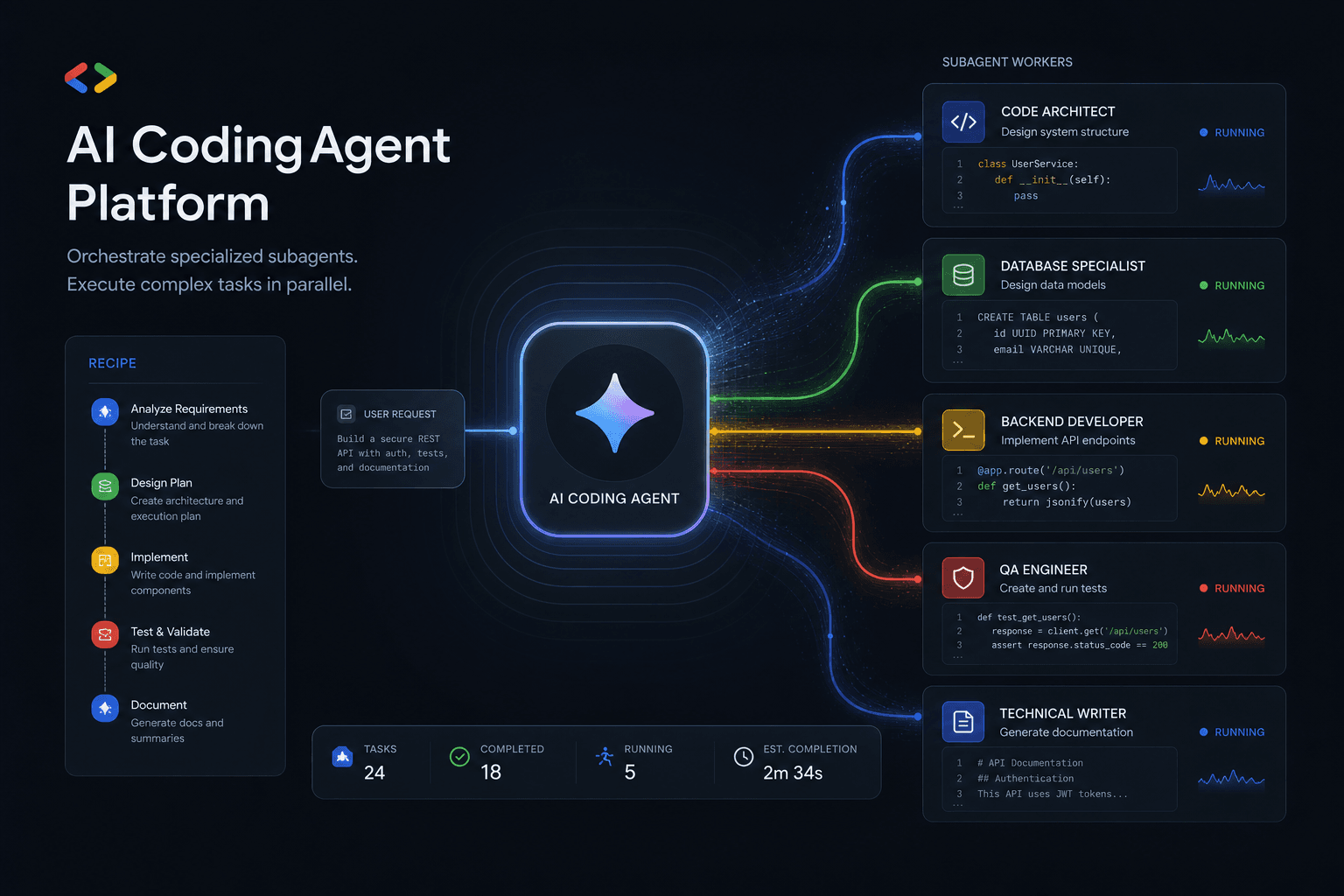
Antigravity 2.0 Subagent Recipes: How I Prompted Multi-Agent Workflows Day One
Five complete subagent recipes for Google Antigravity 2.0 that save 90+ minutes on Day One. From Friday audits to client onboarding, research briefs to migration assistants.
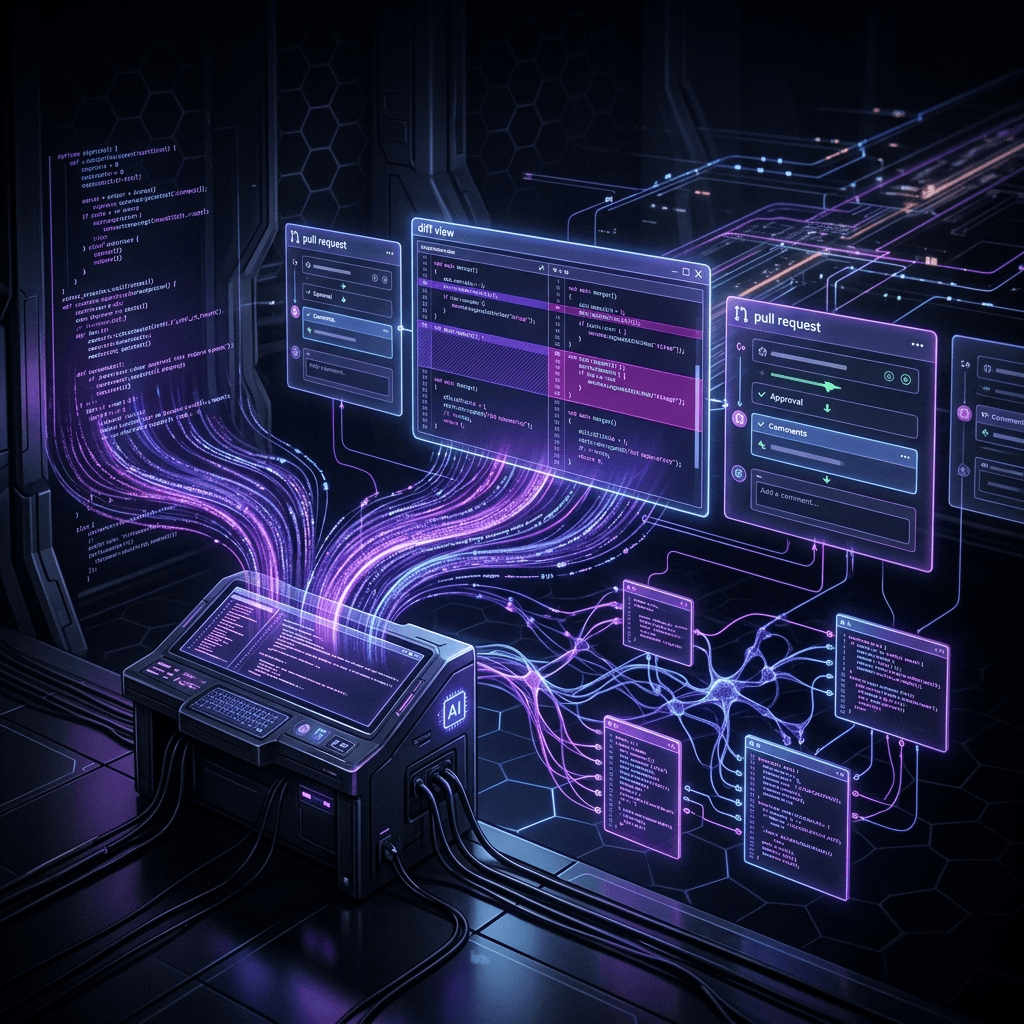
Claude Code Masterclass: Architecting Agentic Workflows, 1M Token Context, and The Death of Manual PR Reviews
Master Claude Code in this definitive 2026 guide. Discover how to use Opus 4.6, multi-agent teams, 1M token context, and automated PR reviews to radically scale your development workflows.

Google Antigravity Agents: The Complete Blueprint to Multi-Agent Orchestration and Enterprise Automation
The complete blueprint for deploying Google Antigravity multi-agent teams integrated with n8n. Build self-healing workflows, autonomous SEO pipelines, and lead gen systems that operate without human intervention.