Measurement (Google Analytics 4) loads only if you accept. Privacy
✨ $500 AI Visibility Audit — live at Spurlock Studios. Book the audit
What is filed under anthropic?
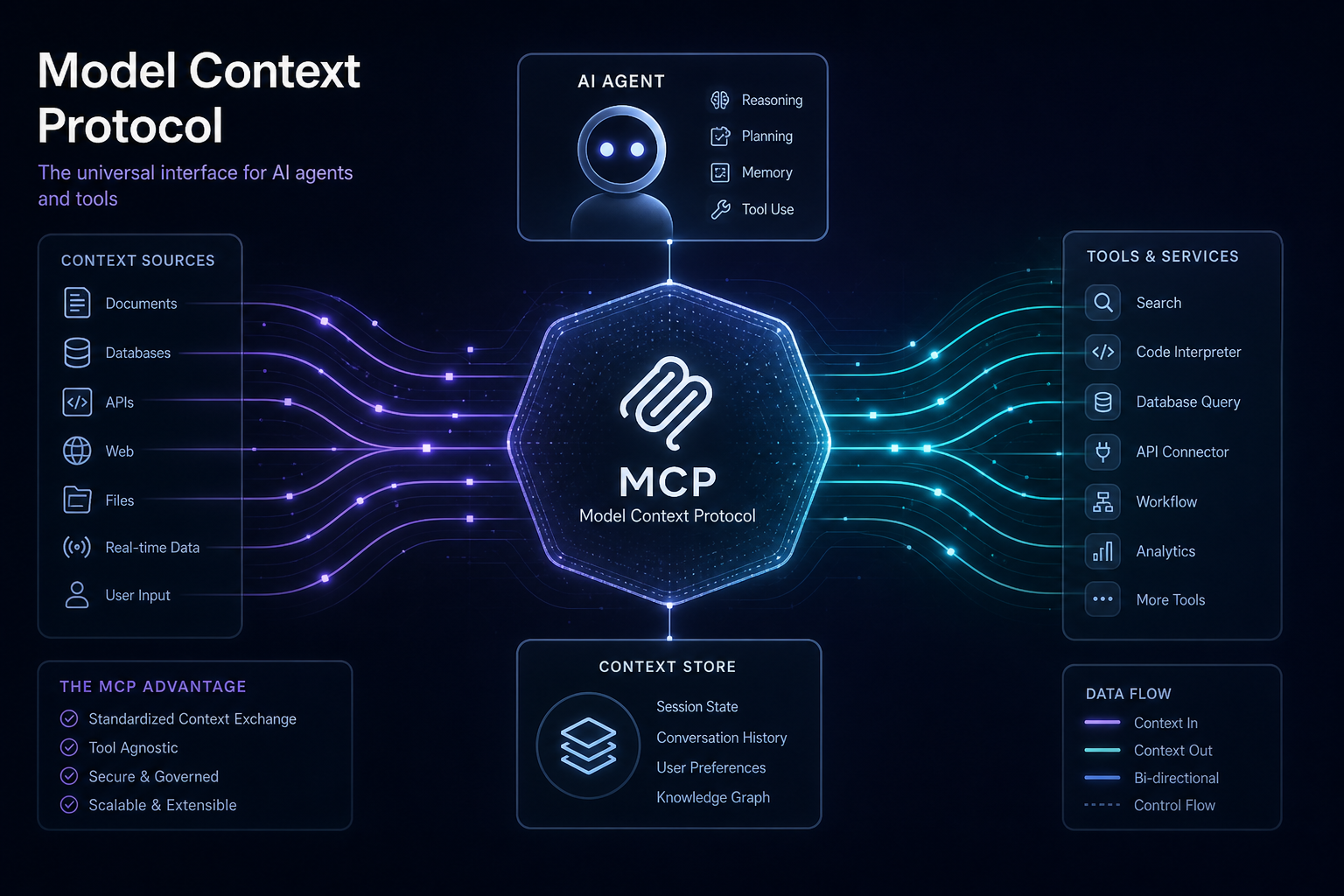
Posts tagged anthropic collect Will Spurlock's writing on this topic. The three newest excerpts: After Anthropic's Sep 9 cyber-incident assessment I keep computer use off on production agents unless a human is watching. Threshold plus HITL stay live. Opus 5 stays my default. I promote to Claude Fable 5.1 when Opus at high effort still fails. Mythos 5.1 is invite-only. Cache reads at $0.25 are the cost story. MCP is the open standard that lets AI agents talk to your tools and data once, then reuse that connection everywhere. Plain-English what, why, and how it beats one-off APIs.
40 posts as of 2026-09-09, counted from content/blog frontmatter
Posts tagged anthropic collect Will Spurlock's writing on this topic. The three newest excerpts: After Anthropic's Sep 9 cyber-incident assessment I keep computer use off on production agents unless a human is watching. Threshold plus HITL stay live. Opus 5 stays my default. I promote to Claude Fable 5.1 when Opus at high effort still fails. Mythos 5.1 is invite-only. Cache reads at $0.25 are the cost story. MCP is the open standard that lets AI agents talk to your tools and data once, then reuse that connection everywhere. Plain-English what, why, and how it beats one-off APIs.
How many posts are filed under anthropic?
40 posts as of 2026-09-09, counted from content/blog frontmatter.
What should I read first in anthropic?
Start with "Anthropic Cyber Incidents: Computer Use Stays Off". After Anthropic's Sep 9 cyber-incident assessment I keep computer use off on production agents unless a human is watching. Threshold plus HITL stay live.